
Active Heave Compensation for Towed Camera Operations
Avoid degrading your research data. Keep your towed camera stable, independent of vessel motion.
Active heave compensation (AHC) for towed camera and sensor operations keeps the tow point stable relative to the seabed or a fixed depth, cancelling vessel-induced motion before it reaches the camera, towfish, or sidescan sonar at the end of the cable. mTrack, Scantrol's AHC controller with integrated motion reference unit (MRU), adds this stabilisation to an existing camera or survey winch without replacing the mechanical hardware, correcting the wave-driven motion that constant tension alone cannot remove from light, low-drag towed bodies.
For vessel operators and survey teams running towed camera or sensor operations, this means stable footage and a consistent standoff distance to the seabed, without slowing the tow or waiting out weather.

mTrack AHC Controller
The off-the-shelf AHC controller that cancels vessel motion at the Tow Point
Off-the-shelf AHC controller with integrated MRU - no separate sensor required
Follow Seabed and Auto Depth modes for towed camera and sensor operations - no custom programming needed
Auto Calibration and Dynatest included - commission at dockside, no sea trials
Includes all the tools you need for easy installation - no need for expensive experts

Why Constant Tension Isn't Enough for Towed Camera and Sensor Operations
Constant tension (CT) stabilises a tow by holding steady tension on the winch line. That works reasonably well for heavy, high-drag loads, but cameras, towfish, and sidescan sonars are light and hydrodynamically streamlined, so tension alone has little grip on them once the vessel starts to roll and heave. The result is footage that jitters with every wave, and a standoff distance to the seabed that drifts as the tow point moves.
Active heave compensation solves this differently. Instead of relying on tension, AHC measures the vessel's motion directly and drives the winch to cancel it at the tow point, so the camera or sensor holds a steady position relative to the seabed regardless of sea state. For photogrammetry, mosaicking, and machine learning pipelines built on towed imagery, that consistency is what makes the dataset usable instead of merely recorded.
Same tow, same weather. AHC removes the motion before it reaches the camera.
Where Active Heave Compensation Is Used in Towing Operations
This page covers AHC for towed cameras, towfish, sidescan sonar, sub-bottom profilers, and ROTV operations. For CTD casts, core sampling, grab sampling, or ROV deployment, see Active Heave Compensation for Scientific Equipment.
Towed Cameras
Towfish
Sidescan Sonar
Sub-bottom Profilers
ROTV
Typical survey operations

Seafloor and habitat mapping
Geological and geotechnical surveys

Environmental monitoring
Biological and visual survey missions
Keep Full Control over your Towed Camera Position
mTrack will let you tow the camera at a fixed depth or follow the topology of the seabed.
mTrack Capabilities for Towing Operations
Follow Seabed
Uses altimeter input from the towed body to automatically maintain a constant distance above the seabed, adjusting in real time as depth and terrain change along the survey line.
Active Heave Compensation
Cancels vessel motion at the tow point, keeping the camera or sensor steady independent of wave-induced heave.
Auto Depth
Cancels vessel motion at the tow point, keeping the camera or sensor steady independent of wave-induced heave.
Can You Retrofit AHC to an Existing Camera or Survey Winch?
Many camera, towfish, and survey winches already in service are suitable for AHC retrofit. Reusing the existing winch represents a major cost reduction compared to buying a new winch, and results in a reduced carbon footprint.
The winch's maximum line speed determines how much vessel motion it can compensate for. A winch with a maximum line speed of 50–80 m/min will typically compensate for 3–4 m of vessel motion, sufficient for most towed camera and survey operations.
→ Get Free AHC Capacity Analysis
→ How to retrofit mTrack to existing winches

mTrack AHC Case Studies
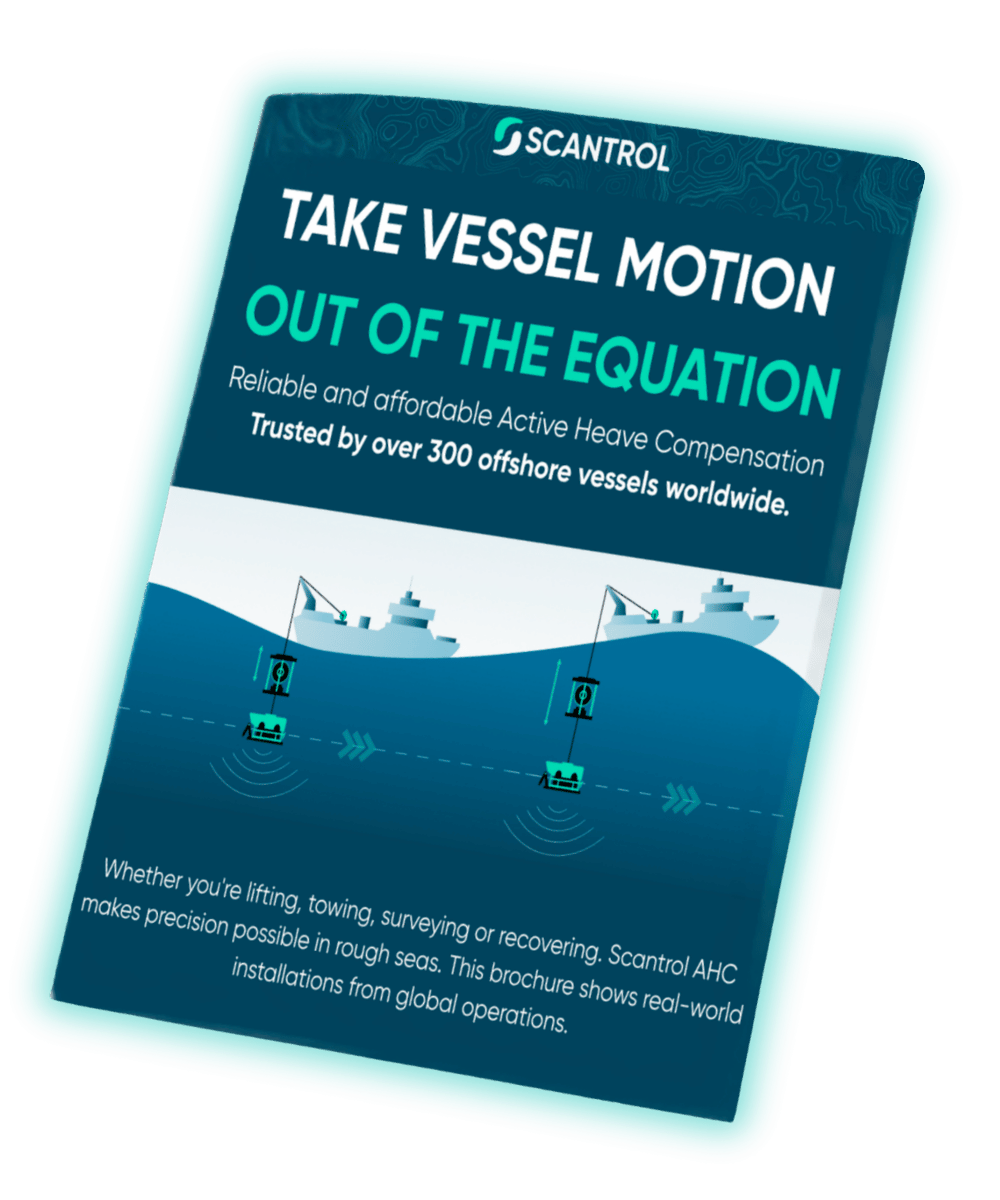
What Happens When Vessel Motion Is No Longer the Limiting Factor
Explore case studies from operators using mTrack AHC in rough sea states, deep water and time-critical operations. Each one shows the specific application, the integration approach and the outcome reported by the operator.
Frequently Asked Questions
-
Active heave compensation stabilizes a towed camera, towfish, or sensor by counteracting vessel motion in real time, holding the equipment at a steady depth or seabed offset independent of wave-induced heave. This produces stable footage and consistent survey geometry throughout the tow.
-
Vessel motion transferred through the tow cable causes footage to jitter and shifts the camera's distance to the seabed unpredictably. AHC removes this motion from the tow point, producing steady footage and a consistent standoff distance suited to both manual review and automated image analysis
-
Follow Seabed uses altimeter data from the towed body to automatically adjust the winch and hold the towed camera, towfish, or sonar at a set distance above the bottom as the terrain changes, without the winch operator manually paying cable in or out. This keeps framing and resolution consistent across a survey line, which matters for photogrammetry, mosaicking, and machine learning workflows where an inconsistent standoff distance degrades the dataset.
-
Active heave compensation is used with towed cameras, towfish, sidescan sonars, and remotely operated towed vehicles (ROTVs). Each is set up with a pre-configured mTrack profile suited to how it is deployed and towed.
-
Yes. Because AHC removes vessel-induced motion from the tow, footage stays geometrically consistent from frame to frame, which is what photogrammetry and machine learning models need. Constant tension alone does not provide this, since it does not correct the camera's position relative to the seabed.
-
Yes. Many existing camera, towfish, and survey winches are suitable for AHC retrofit. Reusing the existing winch reduces cost compared to purchasing new equipment and avoids the added carbon footprint of a full winch replacement.
-
The underlying technology is the same, but the operation differs. Towed camera and sensor operations typically run continuously along a survey line at a fixed depth or seabed-following profile, prioritizing steady footage and consistent standoff distance. CTD casts, core sampling, and grab operations are vertical deployments to a target depth, prioritizing precise, damage-free arrival and recovery
Have questions or would you like to discuss your project?
If you have any questions about AHC, your application, or next steps, you are welcome to reach out directly.

Suzy Zhu
International Sales Manager
Email: suzy@scantrol.com
Phone: +47 465 20 370
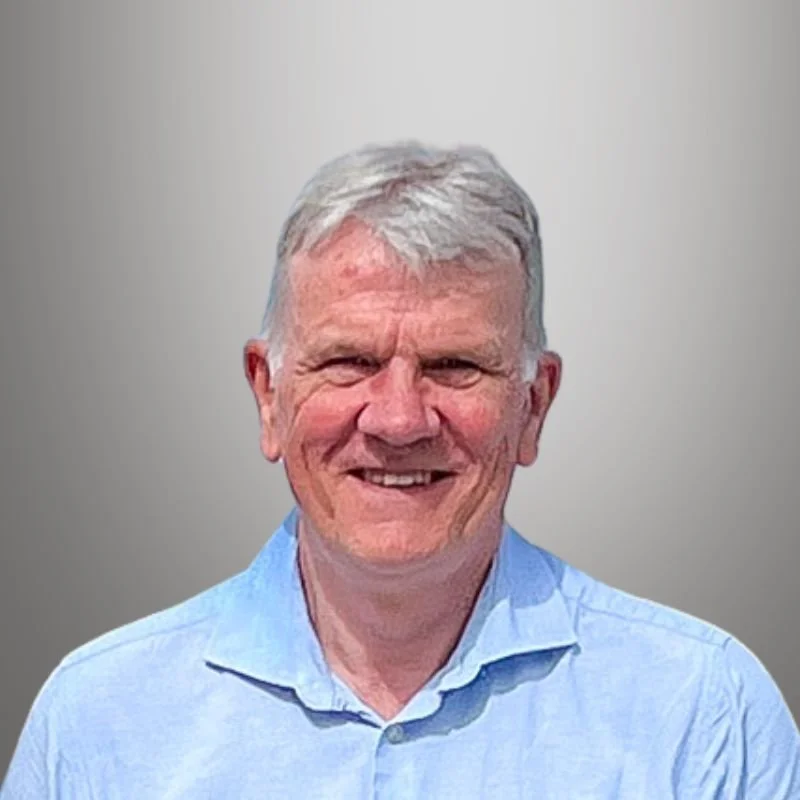
Jan Kjærstad
CEO
Email: jan.kjarstad@scantrol.com
Phone: +47 911 59 434

Henry Boddington,
International Sales Manager
Email: henry@scantrol.com
Phone: +47 901 57 044
We are happy to review your setup, answer technical questions, or schedule a meeting