
AHC Retrofit: Add Active Heave Compensation to Any Existing Winch
AHC retrofit is the process of adding Active Heave Compensation to a winch or crane that was not originally built with it. Instead of purchasing new lifting equipment, the existing control system is replaced or upgraded with an AHC controller. The mTrack AHC Controller is the fastest and most cost-effective route to heave compensation for OEMs and vessel operators who already own functional winches, cranes, or LARS systems.
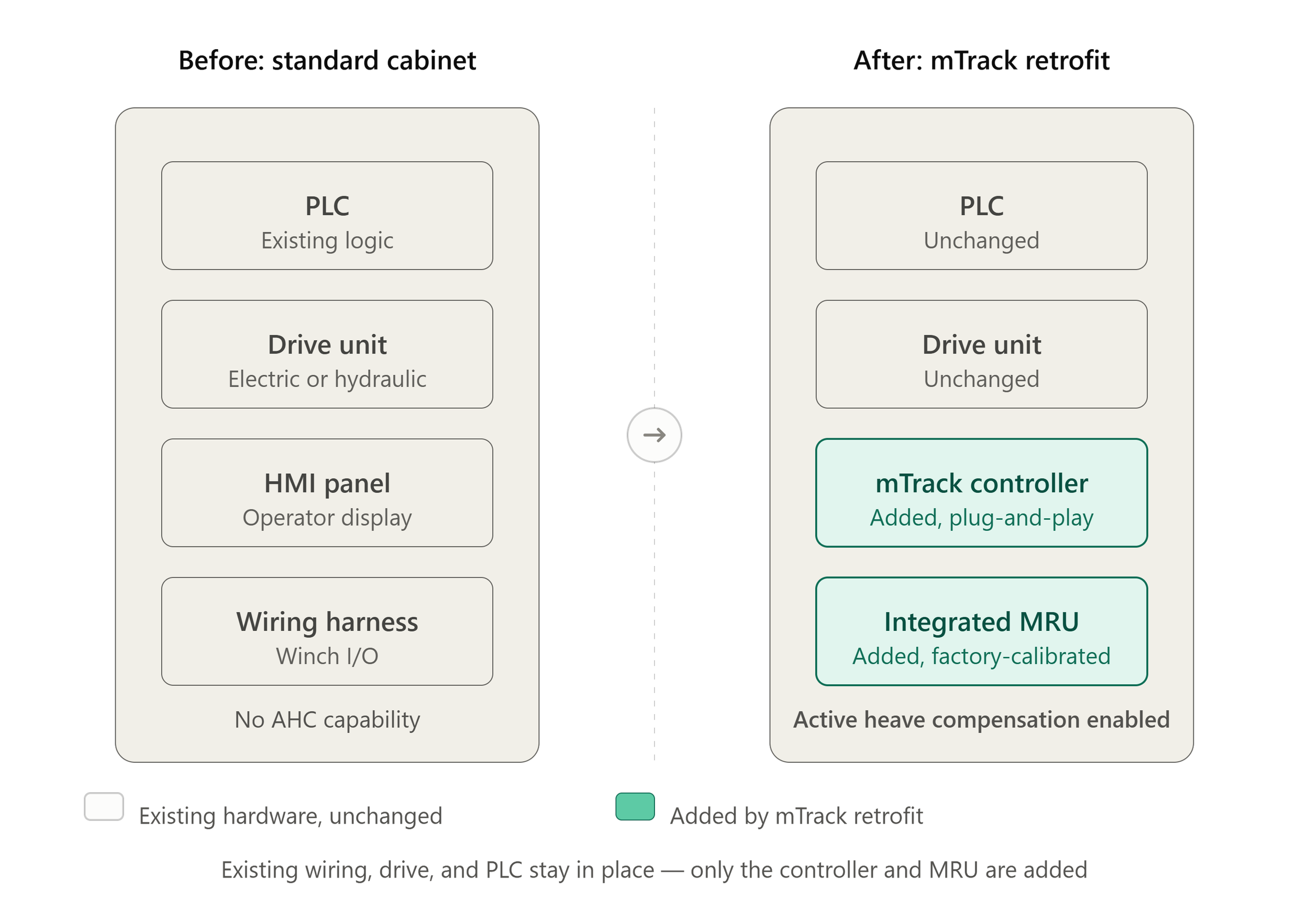
mTrack is built specifically for retrofit. It installs as an add-on to the standard control system already supplied with the winch, and the built-in AHC Toolbox makes it possible to test and tune the system entirely at dockside, no sea trials required. Unlike AHC systems that come bundled into new cranes or winches, mTrack works with equipment from any manufacturer.

Why Retrofit Instead of Buying New
Retrofitting an existing winch or crane with AHC is typically far less disruptive and less expensive than replacing the equipment outright. The mechanical system, the winch, the wire, the drum, stays the same. Only the control layer changes.
This matters most for two groups:
OEMs (winch and crane manufacturers) who want to offer AHC as a value-add without redesigning their product line or absorbing months of engineering work.
Vessel operators who need to extend their operational weather window on equipment they already own, without a costly newbuild or replacement project.
Unlike other suppliers, which build AHC into new winches and cranes as part of a bundled hardware package, mTrack retrofits to any existing winch or crane brand. There is no need to replace mechanical components, and no dependency on a single manufacturer's ecosystem.
How the mTrack Retrofit Process Works
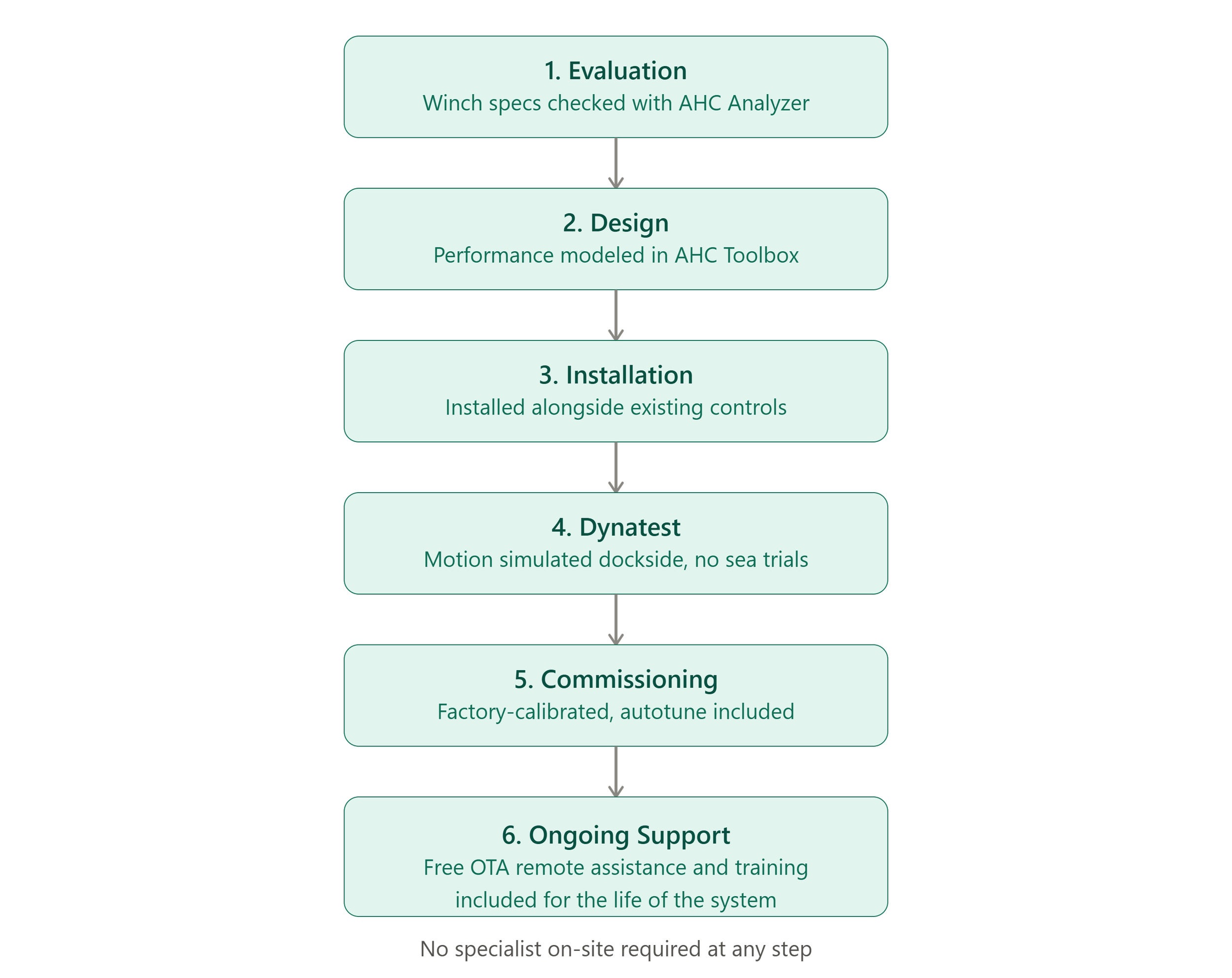
Evaluation. Winch specifications (line speed, drive type, wire capacity) are checked against AHC requirements using the AHC Analyzer.
Design. The AHC Toolbox calculates expected compensation performance before any hardware is ordered.
Installation. mTrack is installed alongside the existing control system on the vessel or in the yard. No specialist needs to be on-site.
Testing with Dynatest. Vessel motion is simulated at dockside or at the winch factory to verify AHC performance. This replaces the need for expensive sea trials.
Commissioning. The system ships factory-calibrated with autotune, reducing tuning time at installation.
Ongoing support. Free OTA (over-the-air) remote assistance and training are included during the warranty period.
mTrack can be delivered as a turn-key solution and is currently installed on new and upgraded winches from a range of recognized crane and winch manufacturers.
Case Study: Bibby HydroMap — AHC Retrofit in 3 Weeks
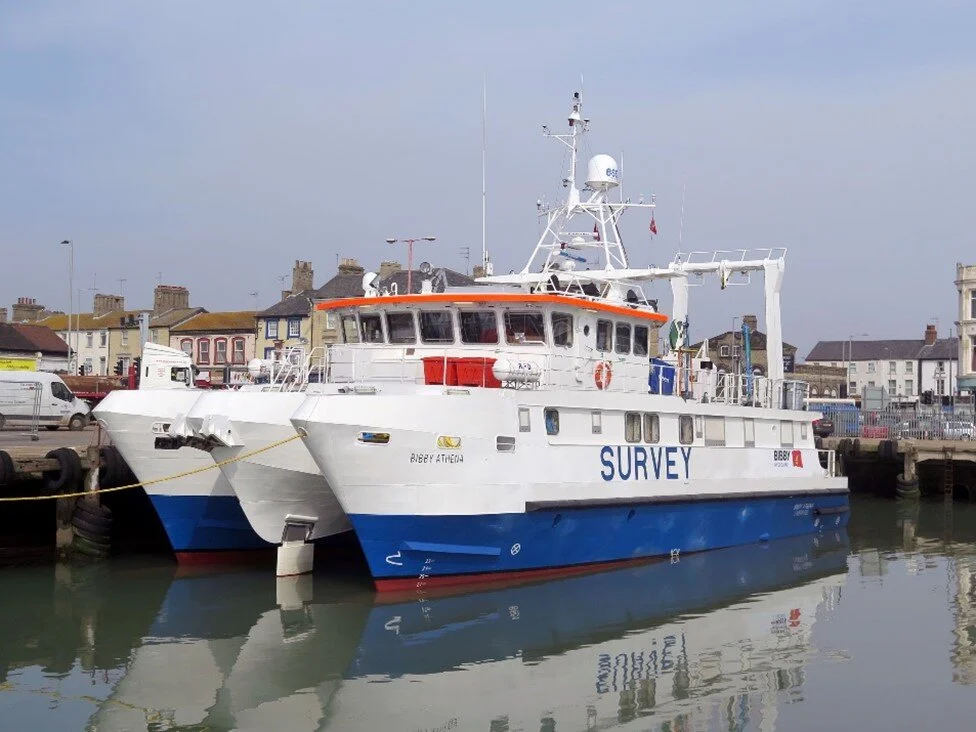
When Bibby HydroMap needed to upgrade the winch on an ROV deployed beneath its support vessel M/V Bibby Athena, Scantrol used the AHC Toolbox to test the system before it left Bergen. The complete AHC system was delivered and installed in three weeks while the vessel remained in operation, with remote support from Scantrol's Bergen office throughout commissioning. The vessel now runs AHC operations up to 24 hours a day in challenging marine conditions.
This reflects the core advantage of retrofitting with mTrack: testing and design work happens before the equipment reaches the vessel, which removes the delays typically associated with sea trials and on-site tuning.
Winch requirements for AHC Operation
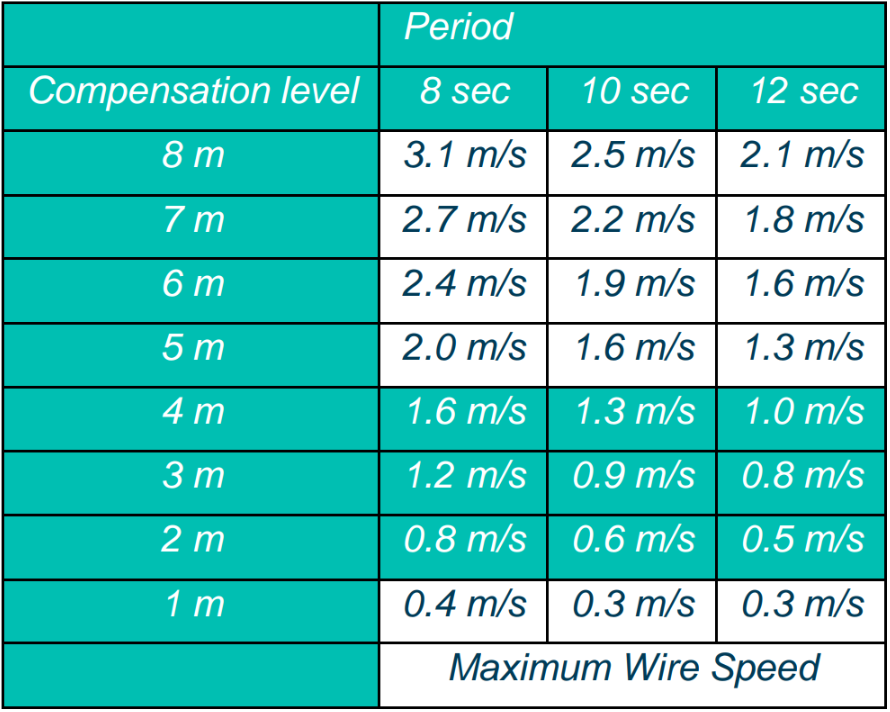
The line speed of the winch is normally the limiting factor for AHC operation, and the maximum line speed determines the compensation level that can be achieved. If your winch has a maximum line speed in the range of 50 to 80 m/min, it will be possible to compensate for 3 – 4 m vessel motion, which is sufficient for most AHC applications.
Need help evaluating your winch for AHC?
Find out how much motion your system can compensate for, based on just a few key parameters.
Estimate how much vessel motion your winch can handle
Get results based on just a few key parameters
Get expert feedback from our team
Free of charge, no commitment required

Scantrol AHC Analyzer is trusted by system integrators and OEMs worldwide. Quick response. No obligations.
Frequently Asked Questions
-
Yes. mTrack is designed as an add-on to the standard control system already on the winch. The mechanical components , drum, wire, drive, stay the same, while mTrack replaces or supplements the control layer to add active heave compensation.
-
No. mTrack includes Dynatest, a tool that simulates vessel motion to verify AHC performance at dockside or at the winch factory. This removes the need for expensive sea trials before commissioning.
-
Retrofit timelines vary by project scope, equipment condition, and vessel availability. Testing and configuration happen before installation using the AHC Toolbox, which reduces on-site time compared to systems requiring full sea trials. Contact Scantrol for a project-specific estimate based on your equipment.
-
mTrack is brand-agnostic and is compatible with Profinet and Modbus protocols, and is currently installed on winches and cranes from a range of recognized manufacturers. Compatibility is confirmed using the AHC Analyzer based on your winch's specifications.
-
A maximum line speed of 50–80 m/min typically allows compensation for 3–4 m of vessel motion, which covers most AHC applications. Use the free AHC capacity check below to evaluate your specific winch.
-
No. Installation does not require an external specialist. mTrack includes the AHC Toolbox and free OTA remote support during the warranty period, allowing installation to be completed on the vessel or in the yard with assistance available remotely from Scantrol.
Have questions or would you like to discuss your project?
If you have any questions about AHC, your application, or next steps, you are welcome to reach out directly.

Suzy Zhu
International Sales Manager
Email: suzy@scantrol.com
Phone: +47 465 20 370

Jan Kjærstad
CEO
Email: jan.kjarstad@scantrol.com
Phone: +47 911 59 434

Henry Boddington,
International Sales Manager
Email: henry@scantrol.com
Phone: +47 901 57 044
We are happy to review your setup, answer technical questions, or schedule a meeting